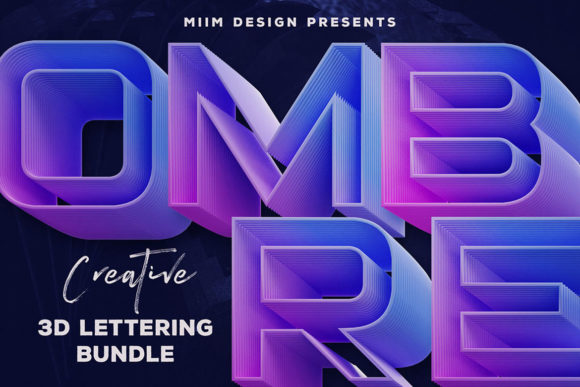
Ombre – 3D Lettering for Professional and Creative Projects
Ombre – 3D Lettering is a high-resolution, realistic 3D lettering design that offers exceptional visual impact for a wide range of applications. With its 3000×3000 pixel resolution and transparent PNG format, this asset provides flexibility and clarity for both digital and print projects. The slightly smaller letter size ensures versatility across different layouts while maintaining sharpness and detail.
Whether you're working on a website header, promotional poster, or product advertisement, Ombre – 3D Lettering can elevate the visual appeal of your work. Its two-color alternatives and six additional high-resolution elements make it adaptable to various design schemes and creative needs.
Understanding Ombre – 3D Lettering in the Design Process
Ombre – 3D Lettering fits into the broader design process as a key visual element that enhances communication and aesthetics. It can be used at multiple stages—before, during, or after a project—to add depth, realism, and professionalism to your output.
Before starting a project, incorporating Ombre – 3D Lettering can help set the tone and visual direction. For instance, if you're designing a brand identity or marketing campaign, using these lettering assets early on can guide color choices, typography styles, and overall layout decisions.
During the execution phase, Ombre – 3D Lettering serves as a powerful tool for creating striking headlines or focal points. Its realistic 3D rendering adds dimensionality that can differentiate your work from standard flat designs. This makes it ideal for presentations, social media content, or any project where visual hierarchy is important.
After the main design is complete, Ombre – 3D Lettering can be used to refine details or create variations. For example, you might generate different versions of a poster by swapping out color alternatives or adding one of the six extra elements to enhance the composition.
Integrating Ombre – 3D Lettering into Your Workflow
One of the strengths of Ombre – 3D Lettering is its compatibility with common design tools and platforms. As a transparent PNG file, it can be easily imported into graphic design software like Adobe Photoshop, Illustrator, or Figma. This allows for seamless integration into existing workflows without requiring complex editing or conversion.
When working with Ombre – 3D Lettering, consider how it interacts with other design elements. The two-color options provide flexibility for matching brand colors or contrasting with background elements. The six extra PNG images can be used to add textures, shadows, or decorative elements that complement the main lettering.
For users who work on multiple projects, organizing Ombre – 3D Lettering assets in a centralized library can improve efficiency. Creating folders or tags for different color variants, use cases, or project types helps streamline the selection process and reduces time spent searching for the right asset.
Practical Use Cases for Ombre – 3D Lettering
Ombre – 3D Lettering is particularly useful for designers, marketers, and content creators who need high-quality visuals for web and print. Here are some practical scenarios where it can be applied:
- Headers and Banners: Use the 3D lettering as a headline for websites, landing pages, or social media posts to draw attention and establish brand identity.
- Print Materials: Incorporate the transparent PNGs into business cards, brochures, or posters for a polished, professional look.
- Advertising Campaigns: Add depth and realism to ad creatives by layering Ombre – 3D Lettering with other design elements.
- Product Packaging: Enhance packaging designs with custom 3D text that stands out on shelves or online listings.
- Personal Projects: Use the lettering for blog headers, YouTube thumbnails, or personal branding materials to maintain a consistent visual style.
Enhancing Quality and Consistency
Consistency is key when using Ombre – 3D Lettering across multiple projects. Maintaining a cohesive visual language helps reinforce brand recognition and professionalism. To achieve this, consider establishing guidelines for color usage, placement, and scaling based on the specific needs of each project.
Quality control is also important, especially when working with high-resolution assets. Ensure that the 3000×3000 pixel files are used correctly and not scaled beyond their intended size, which could lead to loss of detail. Regularly review your designs to confirm that the lettering aligns with the overall aesthetic and message of the project.
For long-term use, keeping backups of the original files and any modified versions can prevent data loss or version confusion. This is especially useful for businesses or freelancers who may need to revisit past projects for updates or revisions.
Workflow Examples and Implementation Tips
Here are a few examples of how to implement Ombre – 3D Lettering in different workflows:
- Marketing Team: A marketing team can use Ombre – 3D Lettering to create eye-catching social media graphics. By selecting the appropriate color variant and adding one of the extra elements, they can produce visually engaging content that aligns with their brand guidelines.
- Freelance Designer: A freelance designer might integrate Ombre – 3D Lettering into client proposals to showcase the final look of a project. This helps clients visualize the outcome and provides a clear reference for adjustments.
- Small Business Owner: A small business owner can use the lettering for promotional materials such as flyers or email newsletters. The transparent background allows for easy customization to fit different backgrounds or themes.
- Content Creator: A content creator can apply Ombre – 3D Lettering to YouTube thumbnails or blog headers to create a unique and memorable visual identity across platforms.
When implementing Ombre – 3D Lettering, start by identifying the primary use case and then select the most suitable color option and additional elements. Test the design in different contexts to ensure it works well across various mediums and resolutions.
Conclusion: Leveraging Ombre – 3D Lettering for Impactful Design
Ombre – 3D Lettering offers a powerful solution for adding depth, realism, and visual interest to a wide range of design projects. Its high-resolution format, transparent background, and multiple color options make it a versatile asset for professionals and creators alike.
By integrating Ombre – 3D Lettering into your workflow, you can enhance the quality and consistency of your designs while improving efficiency. Whether you're working on a single project or managing multiple tasks, this resource provides a reliable way to elevate your creative output and meet the demands of modern design challenges.